Bacteriostatic Water Guides & Resources
Clear, practical guides on medical-grade bacteriostatic water and bacteriostatic saline — composition, handling, manufacturer information and sourcing in Australia.
What Is Bacteriostatic Saline Used For? The Label Answer
Bacteriostatic 0.9% sodium chloride is labelled as a diluent — for use only after a medicine that needs dilution is added, never on its own. What that means, why a preserved saline exists, and what the label rules out.
Read guide →What Does Bacteriostatic Mean?
The word on the vial, defined: bacteriostatic means stopping bacterial growth rather than killing bacteria. Where it comes from, how it differs from bactericidal and sterile, and what it does and does not promise on a label.
Read guide →
Bacteriostatic Water vs Sterile Water: What's the Difference?
Bacteriostatic water (BAC water) vs sterile water explained in one line: bacteriostatic water contains 0.9% benzyl alcohol and is multi-dose, sterile water is preservative-free and single-use. Full comparison, plus where saline fits.
Read guide →
Benzyl Alcohol in Bacteriostatic Water: How the 0.9% Preservative Works
Why bacteriostatic water contains 0.9% benzyl alcohol, how the preservative inhibits bacterial growth, and why it lets a sealed multi-dose vial be accessed repeatedly.
Read guide →
How to Store Bacteriostatic Water (BAC Water)
How to check the label-led storage requirements for bacteriostatic water — BAC water — including whether it needs refrigeration, and how to recognise when to contact the seller or a healthcare professional.
Read guide →
Where to Buy Bacteriostatic Water (BAC Water) in Australia
Where to buy bacteriostatic water — BAC water — in Australia: what to look for in a supplier, why intact manufacturer presentations and local Melbourne dispatch matter, and how to avoid repackaged water.
Read guide →
Bacteriostatic Saline vs Bacteriostatic Water, Sterile Water and Plain Saline
Bacteriostatic saline is confused with three other diluents. Against bacteriostatic water the difference is the solute; against plain saline it is the preservative; against sterile water it is both at once.
Read guide →
What Is BAC Water? Bacteriostatic Water Explained Simply
What BAC water is, what “bacteriostatic” means, exactly what is in the vial (sterile water with 0.9% benzyl alcohol), what the label says it is for and warns against, how it differs from sterile water and saline, what happens once it is opened, and how to buy it in Australia.
Read guide →
BAC Water Near Me: Can You Buy It at a Chemist in Australia?
Looking for BAC water near you in Australia? Why chemists don't stock bacteriostatic water, what a pharmacy can realistically order in, and why most buyers use a specialist supplier with fast Melbourne dispatch.
Read guide →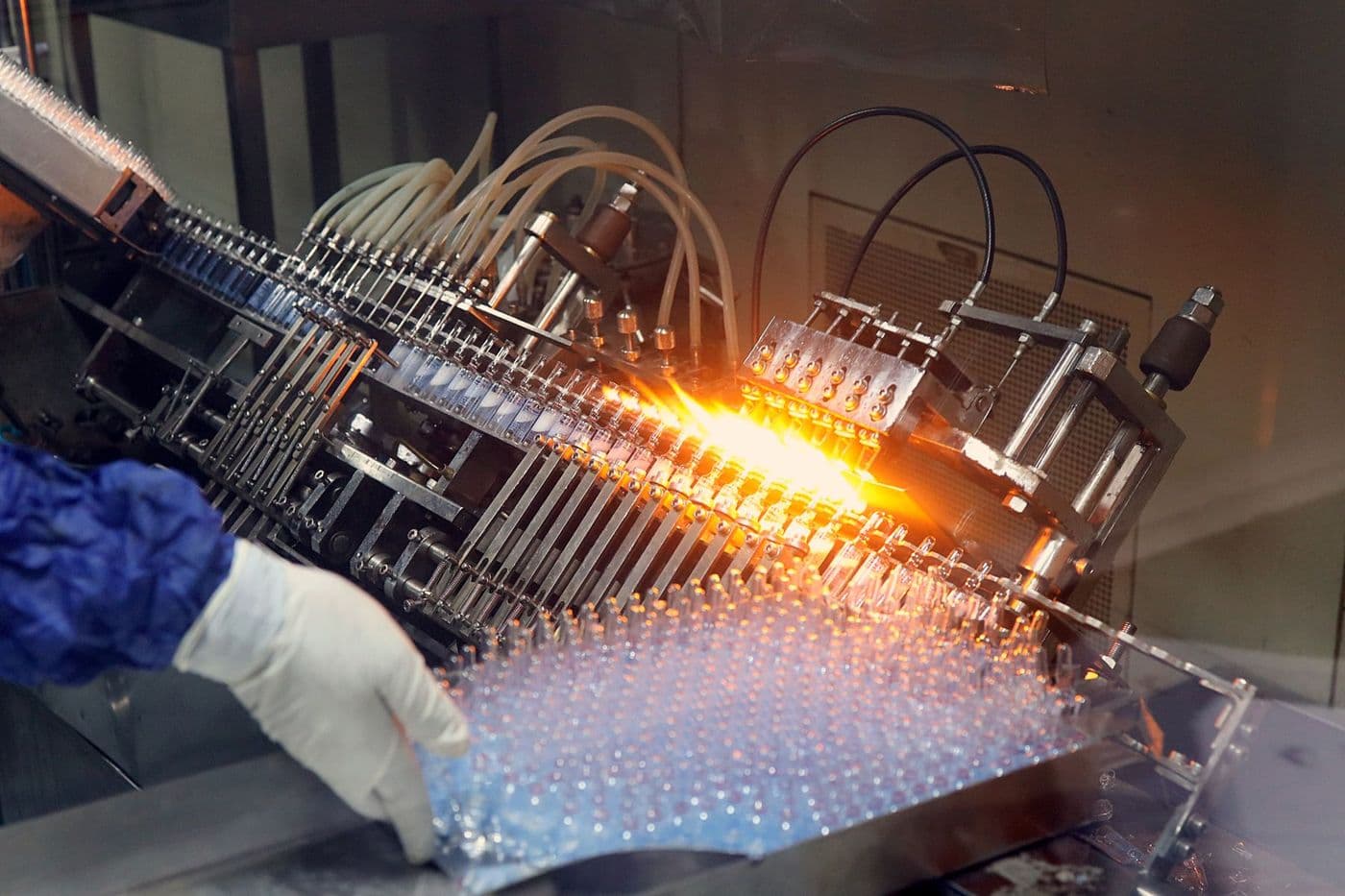
Who Makes BAC Water? The Manufacturer and the Vial Explained
Who makes the BAC water stocked in Australia, what its controlled USP specification covers, why a diluent specification says nothing about anything dissolved in it, and what to check when buying an original presentation.
Read guide →
How Long Does Bacteriostatic Water Last? Expiry and In-Use Dating
Bacteriostatic water carries two dates — the printed expiry on the sealed vial and a shorter in-use period once the stopper is first entered. How each one works, why the preservative doesn't extend either indefinitely, and what to do at the end of the period.
Read guide →
Sterile Water vs Distilled Water: What's Actually Different?
Distilled describes a purification method; sterile describes the absence of viable microorganisms. Why the two words answer different questions, why distilled water is not an injectable presentation, and where bacteriostatic water fits.
Read guide →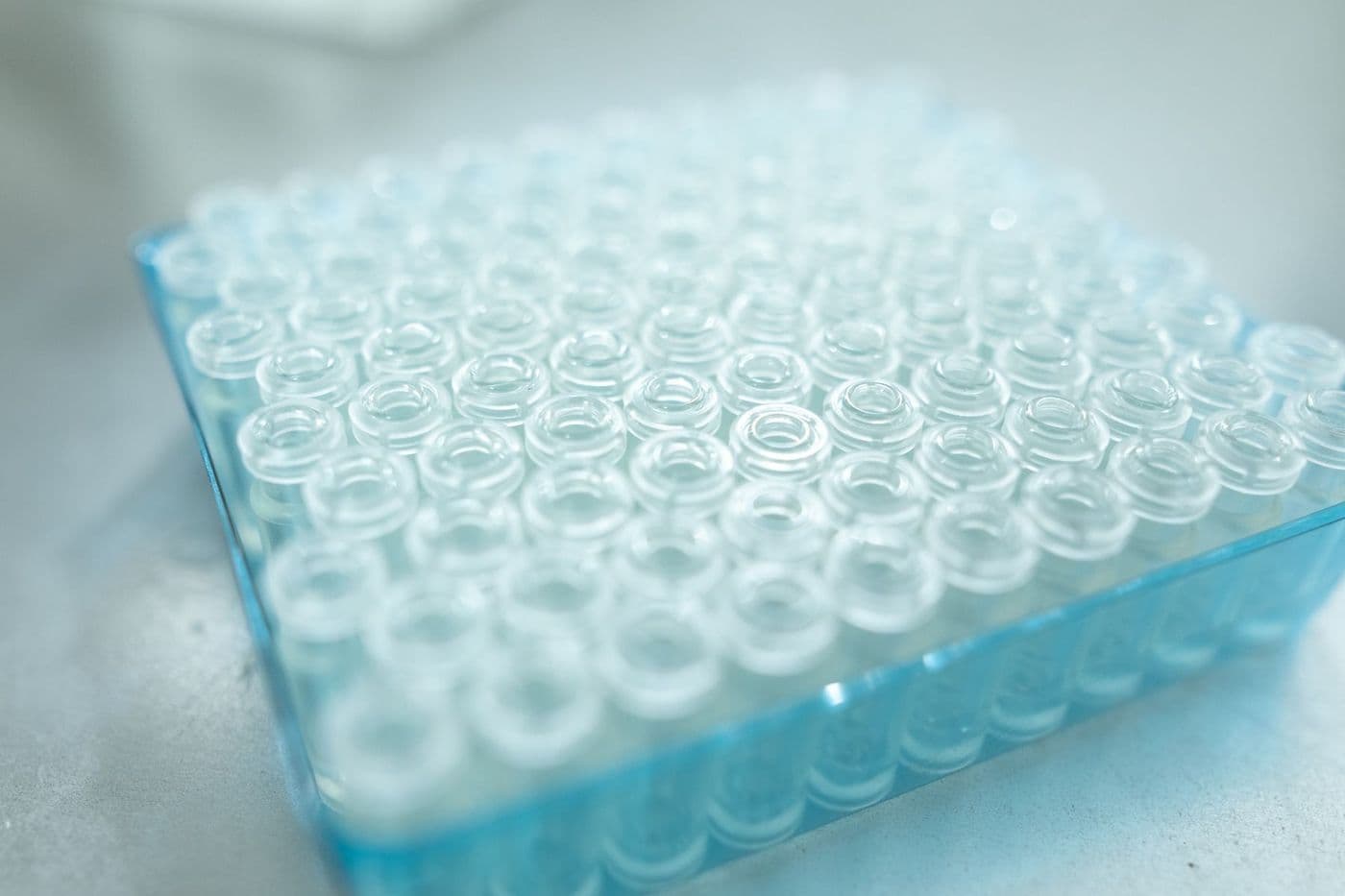
BAC Water Vial Sizes and Pack Quantities: Which to Buy
How to choose between a single 30 mL vial, a multi-vial pack and a manufacturer tray — why the in-use period matters more than the price per millilitre, and how shipping thresholds change the real total.
Read guide →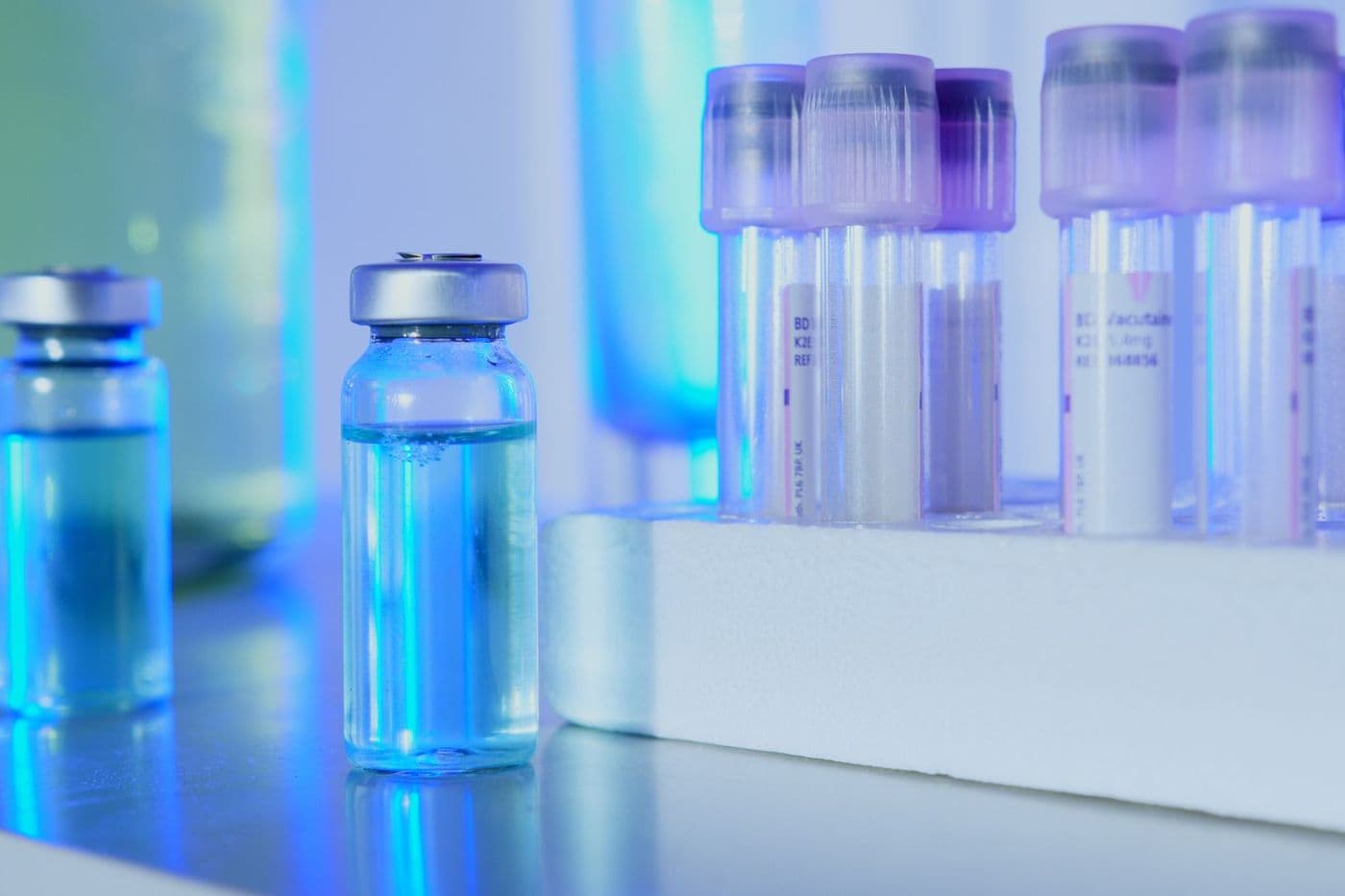
What Is Bacteriostatic Sodium Chloride 0.9%?
Bacteriostatic sodium chloride explained: what the 0.9% refers to, what benzyl alcohol does, how it differs from plain saline and from bacteriostatic water, and how the Australian presentation is supplied.
Read guide →
Cloudy After Reconstitution: What Cloudiness Actually Tells You
Why a solution can turn cloudy, hazy or milky after a diluent is added — what light scattering indicates, how to tell persistent haze from transient bubbles, and why the inspection outcome is the same in every case.
Read guide →
Cloudy Bacteriostatic Water: What to Check Before You Use the Vial
What a bacteriostatic water vial should look like, how to inspect one properly, which appearance concerns are real and which are artefacts of the glass, and what to do with a vial that doesn't pass.
Read guide →
What Are Peptides? And Why Bacteriostatic Water Keeps Coming Up
What peptides actually are, why so many arrive as freeze-dried powder in a vial, and why bacteriostatic water is mentioned alongside them so often — a plain-English explainer with the Australian context.
Read guide →
Bacteriostatic Water for Peptides in Australia: What to Know Before You Buy
Why peptide users look for bacteriostatic water, what the manufacturer's multi-dose vial actually is and is not, and the checks that matter when buying it in Australia — without any preparation instructions.
Read guide →
Peptide Reconstitution with Bacteriostatic Water: How It Works
What reconstituting with bacteriostatic water actually involves, the single equation that governs concentration, why the diluent volume chosen changes strength but not content, and what the markings on a U-100 syringe really measure — with no preparation instructions.
Read guide →
Where to Buy Bacteriostatic Saline (0.9% Sodium Chloride) in Australia
What to check before buying bacteriostatic sodium chloride in Australia — why chemists rarely stock it, how to tell an original manufacturer presentation from a decanted one, and what a legitimate Australian seller publishes.
Read guide →
What Is Sterile Water for Injection?
Sterile Water for Injection explained: what the monograph requires, why the vial is single-dose, why it is never given without a solute, and how it differs from saline, distilled water and irrigation water.
Read guide →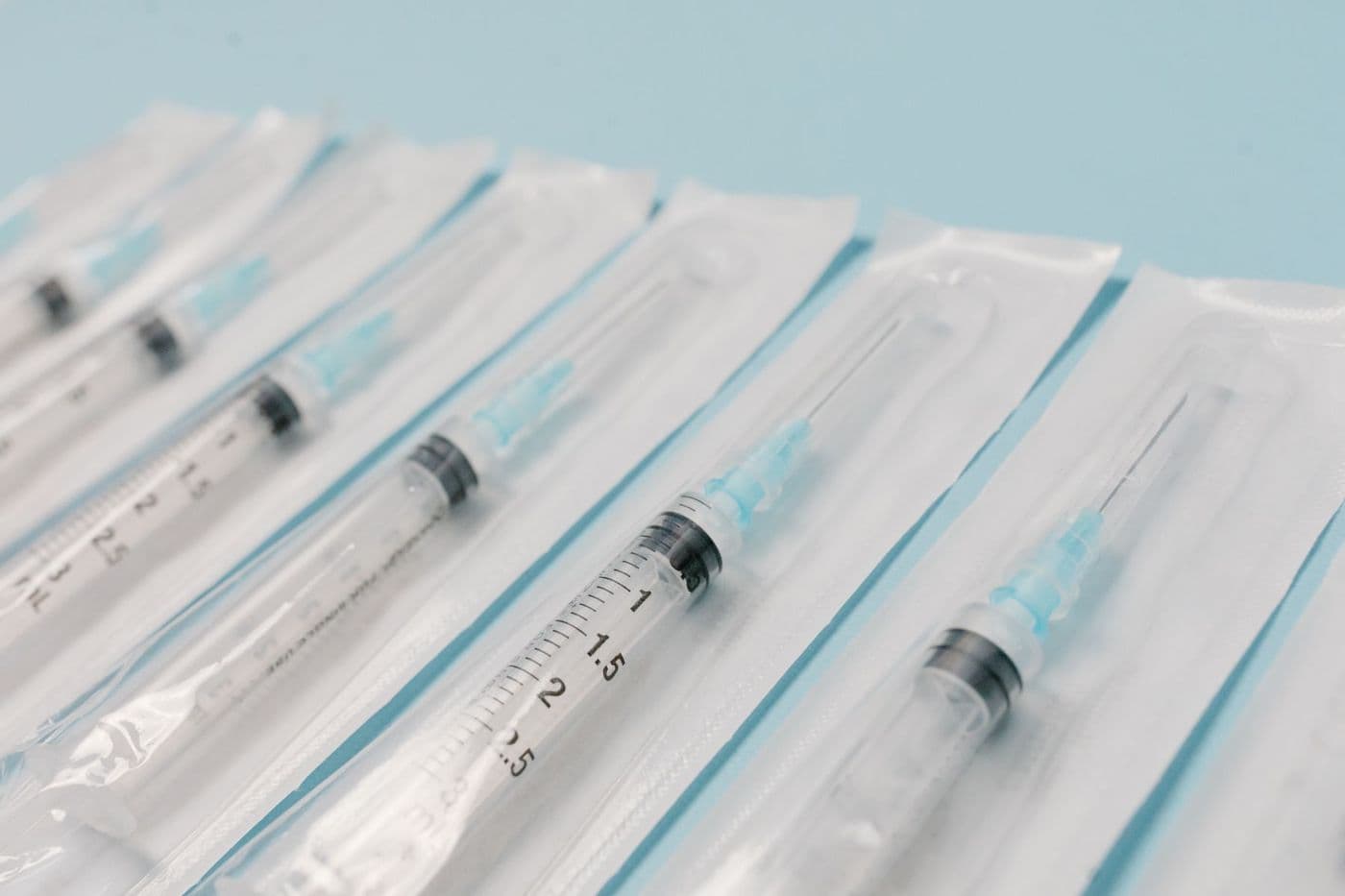
Insulin Syringe Sizes Explained: Units, Gauge and Length
What the numbers on an insulin syringe mean — barrel capacity in units, needle gauge, needle length, and what U-100 actually refers to. A specification guide, not a usage guide.
Read guide →
How Many Times Can You Use a Multi-Dose Vial?
“Multi-dose” on a vial label permits repeated access — it does not set a number of uses. What actually limits a bacteriostatic water vial, why no maximum entry count is printed anywhere, and how a single-dose presentation differs.
Read guide →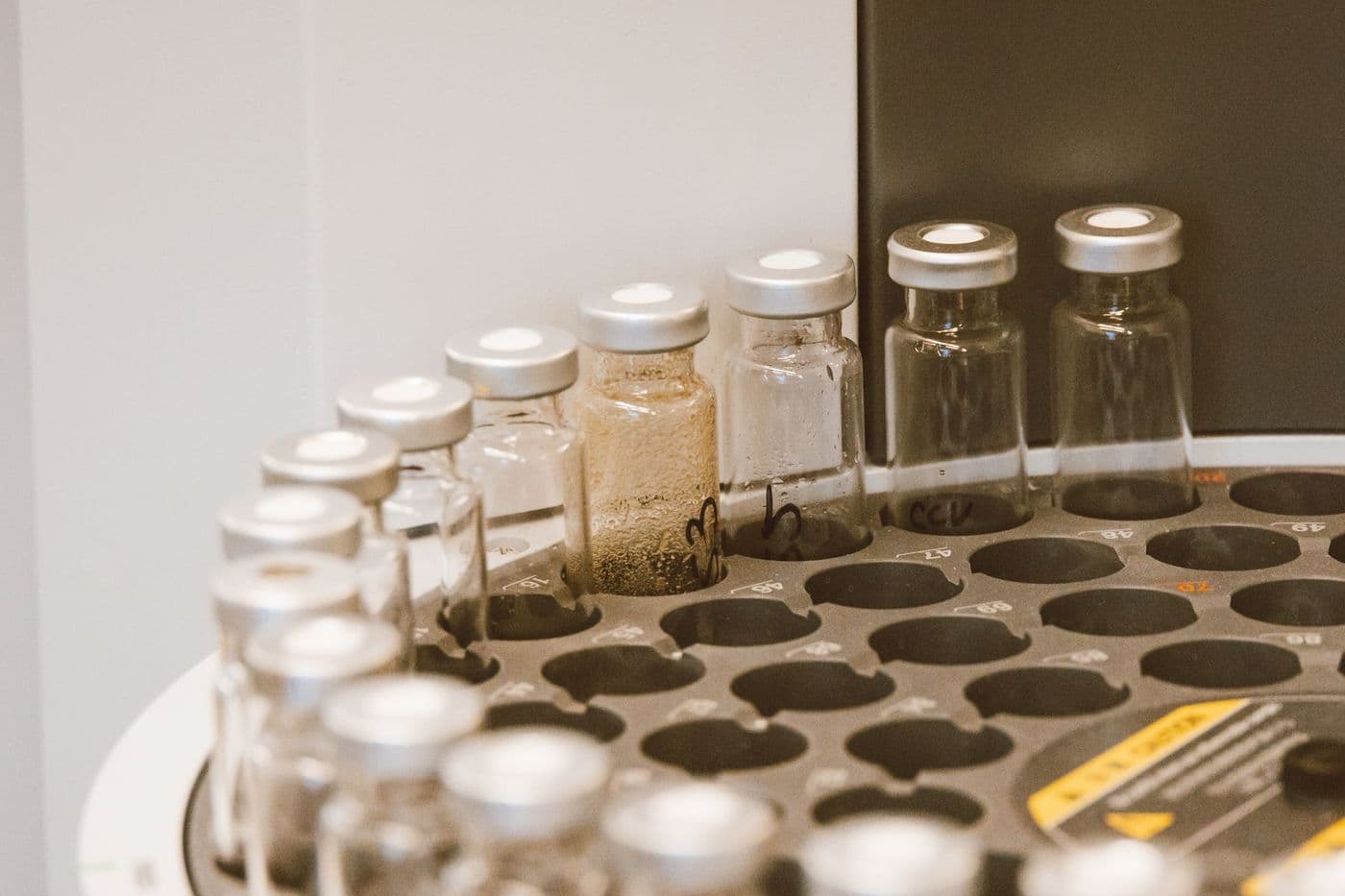
How to Read a Bacteriostatic Water Vial Label
Every line on a bacteriostatic water label is there for a reason — composition per millilitre, dose designation, lot, expiry, manufacturer and the USP claim. What each one tells you, and which discrepancies mean don't use the vial.
Read guide →
What Does USP Mean on a Vial?
USP after a product name is a conformity claim, not decoration. What the United States Pharmacopeia is, what a monograph actually fixes, and how a USP claim differs from “pharmaceutical grade”, BP and lab grade.
Read guide →
Alcohol Swabs: Why 70% Isopropyl and Not 100%
The strongest alcohol is not the most effective antiseptic. Why 70% isopropyl is the standard concentration on a swab sachet, what the remaining 30% water is for, and what the foil wrapper is protecting.
Read guide →
Bacteriostatic Water Prices in Australia: What Drives the Cost
What you actually pay for bacteriostatic water in Australia comes down to four things: vial volume, pack quantity, shipping, and whether the vial is an original manufacturer presentation. How to compare sellers on landed cost per usable millilitre.
Read guide →